
How State DMVs Modernize Identity Proofing With Biometric Liveness
State DMVs are adopting biometric liveness detection for remote identity proofing to combat fraud and improve citizen services. Learn how this technology works.
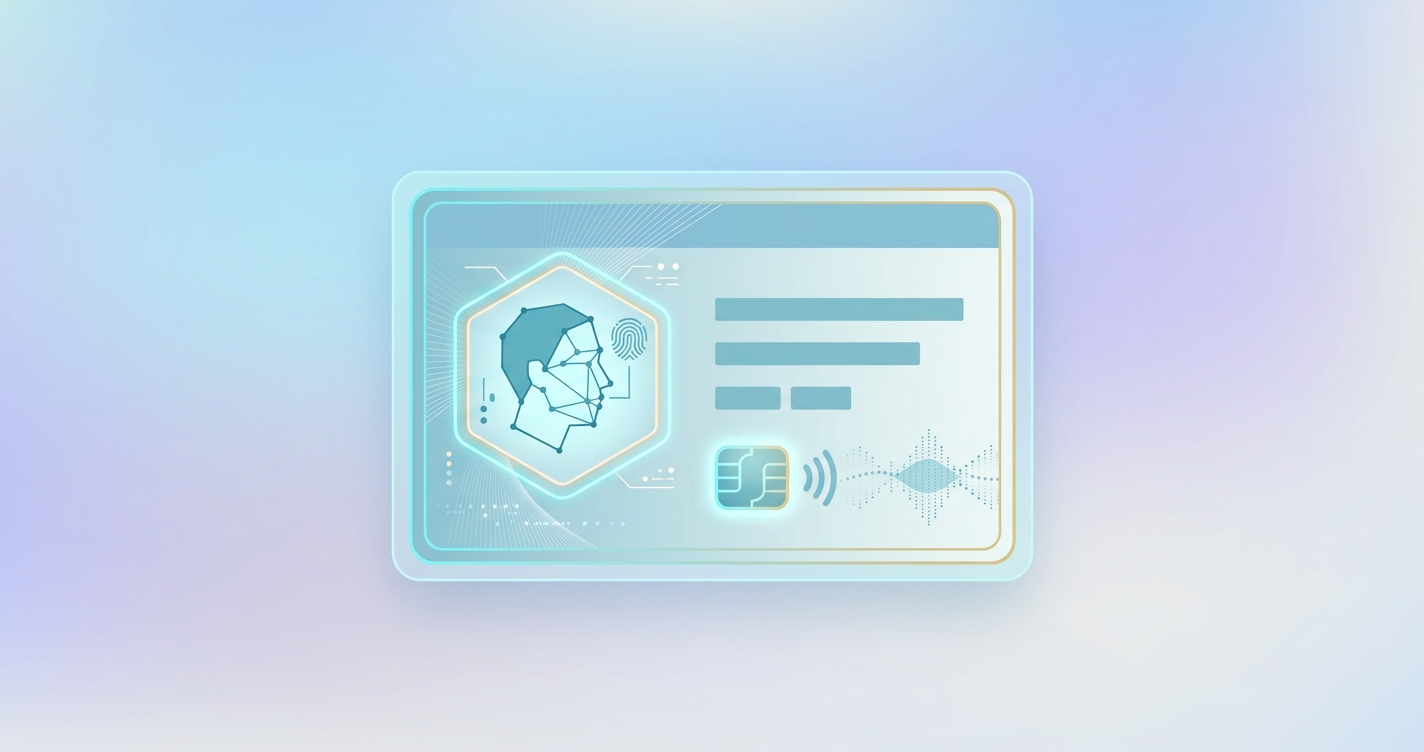
The digital transformation of government services has placed state Departments of Motor Vehicles (DMVs) at a critical juncture. Tasked with issuing secure identity credentials while serving millions of citizens, DMVs face the dual challenge of improving service accessibility and combating a surge in identity fraud. The traditional model of in-person identity proofing is increasingly impractical in a digital-first world. As a result, DMVs are turning to remote identity proofing technologies, with biometric liveness detection emerging as a cornerstone of their modernization efforts. This shift is not merely about convenience; it is a critical security upgrade to protect citizens' identities and the integrity of state-issued credentials. The integration of state dmv identity proofing biometric liveness technologies represents a significant step forward in the fight against sophisticated fraud schemes that target government agencies.
"The use of biometric data for identity verification, including facial recognition and liveness detection, has been a growing trend in both the public and private sectors. For government agencies like the DMV, it offers a more robust way to confirm an individual's identity, especially in remote scenarios." - National Institute of Standards and Technology (NIST)
Modernizing a foundational service: identity proofing
The process of identity proofing is foundational to the services DMVs provide. It is the process by which an agency collects, validates, and verifies information about a person. For decades, this has been an in-person activity, requiring individuals to present physical documents to a DMV employee. However, with the rise of digital services, from online license renewals to digital driver's licenses (mDLs), DMVs require a means of remote identity proofing that offers a comparable or higher level of assurance than traditional methods.
The National Institute of Standards and Technology (NIST) Special Publication 800-63A provides a framework for digital identity proofing, with Identity Assurance Levels (IALs) that dictate the rigor of the verification process. For many remote services, DMVs are aiming for IAL2, which requires either remote or physically present identity proofing. To meet this standard remotely, a combination of document verification and biometric authentication, including liveness detection, is essential.
| Feature | Traditional In-Person Proofing | Remote Biometric Proofing |
|---|---|---|
| Location | Requires physical presence at a DMV office. | Can be completed from anywhere with an internet connection. |
| Convenience | Often involves long wait times and travel. | High, with 24/7 availability. |
| Security | Relies on human inspection of documents, which is prone to error. | Utilizes advanced algorithms to detect sophisticated forgeries and spoofs. |
| Fraud Detection | Susceptible to high-quality fake IDs. | Employs liveness detection and presentation attack detection to prevent fraud. |
Core technologies in modern DMV identity proofing
The modernization of DMV identity proofing is powered by a suite of interconnected technologies:
- Document Verification: The first step in remote proofing typically involves the user capturing an image of their government-issued ID (e.g., a driver's license or passport). Advanced algorithms then analyze the document's security features, such as holograms and microprint, to ensure it is authentic.
- Biometric Verification: Next, the system captures a biometric sample from the user, most commonly a facial image. This image is then compared to the photo on the verified ID to confirm a match.
- Liveness Detection: This is a critical component of state dmv identity proofing biometric liveness. Liveness detection technology analyzes the biometric sample to ensure it is from a live person who is physically present. This is designed to defeat presentation attacks, where a fraudster might use a photo, video, or mask to spoof the system.
- Presentation Attack Detection (PAD): PAD is the broader category of technologies that includes liveness detection. It is designed to identify and reject fraudulent attempts to subvert the biometric system. These systems are tested against standards like ISO/IEC 30107 to ensure their effectiveness.
Industry Applications
Remote license renewals
One of the most immediate applications of remote identity proofing for DMVs is in the area of license renewals. By using a combination of document scanning and biometric liveness checks, DMVs can allow citizens to renew their licenses from home, reducing the burden on physical DMV offices.
Digital driver's licenses (mdls)
The concept of a digital driver's license, stored securely on a smartphone, is gaining traction across the United States. To issue and secure these mDLs, DMVs must have a robust remote identity proofing process. Biometric liveness is a key enabling technology for mDLs, ensuring that only the legitimate owner of the credential can access and use it.
Combating identity fraud
DMVs are a prime target for identity thieves, who may try to obtain fraudulent licenses to open bank accounts, access government benefits, or for other nefarious purposes. By implementing strong identity proofing with liveness detection, DMVs can significantly reduce the risk of issuing credentials to impostors.
Current research and evidence
The effectiveness of biometric liveness detection is a subject of ongoing research. Studies have shown that while liveness detection technology is highly effective at stopping many types of presentation attacks, the sophistication of these attacks is constantly evolving. Deepfakes, for example, present a new and challenging threat. As a result, researchers are continually developing new methods for liveness detection, including techniques that analyze subtle physiological signs, such as the reflection of light from the skin.
A 2022 study by the Department of Homeland Security's Science and Technology Directorate found that the performance of different liveness detection systems can vary significantly. This highlights the importance for DMVs to select solutions that have been rigorously tested and certified against industry standards.
The future of DMV identity
The future of DMV identity services will be characterized by a greater emphasis on user experience and security. We can expect to see wider adoption of passive liveness detection, a technology that can verify a person's liveness without requiring them to perform any specific actions, such as blinking or turning their head. This creates a more seamless and user-friendly experience. Furthermore, as mDLs become more common, the need for secure, remote identity proofing will only grow.
Frequently asked questions
What is the difference between active and passive liveness detection? Active liveness detection requires the user to perform a specific action, such as smiling or moving their head, to prove they are live. Passive liveness detection, on the other hand, works in the background without any specific user action, making for a more frictionless experience.
How does biometric liveness detection stop deepfakes? Advanced liveness detection algorithms can analyze for subtle artifacts in deepfake videos that are not present in a live human face. These can include inconsistencies in lighting, unnatural movements, or a lack of physiological signs of life.
Are there privacy concerns with DMVs using biometric data? Yes, the use of biometric data by government agencies raises important privacy questions. It is crucial that DMVs have strong data protection policies in place, including encryption and strict access controls, to ensure that citizens' biometric data is secure.
Circadify is at the forefront of developing passive liveness detection technologies that can help government agencies like DMVs modernize their identity proofing processes. Our solutions are designed to provide the highest level of security while ensuring a seamless and accessible experience for citizens. To learn more about how Circadify can help your organization combat identity fraud, read our integration guide.